Description
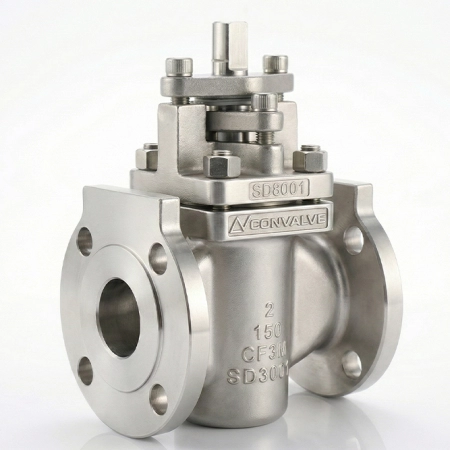
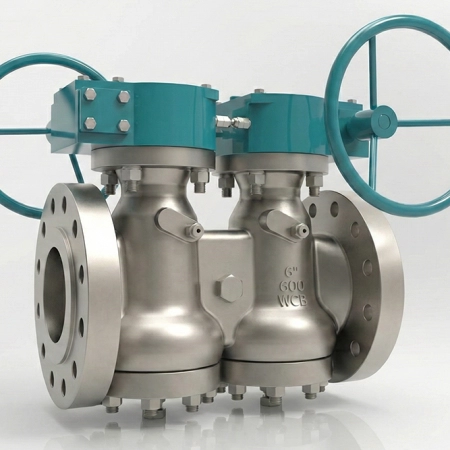
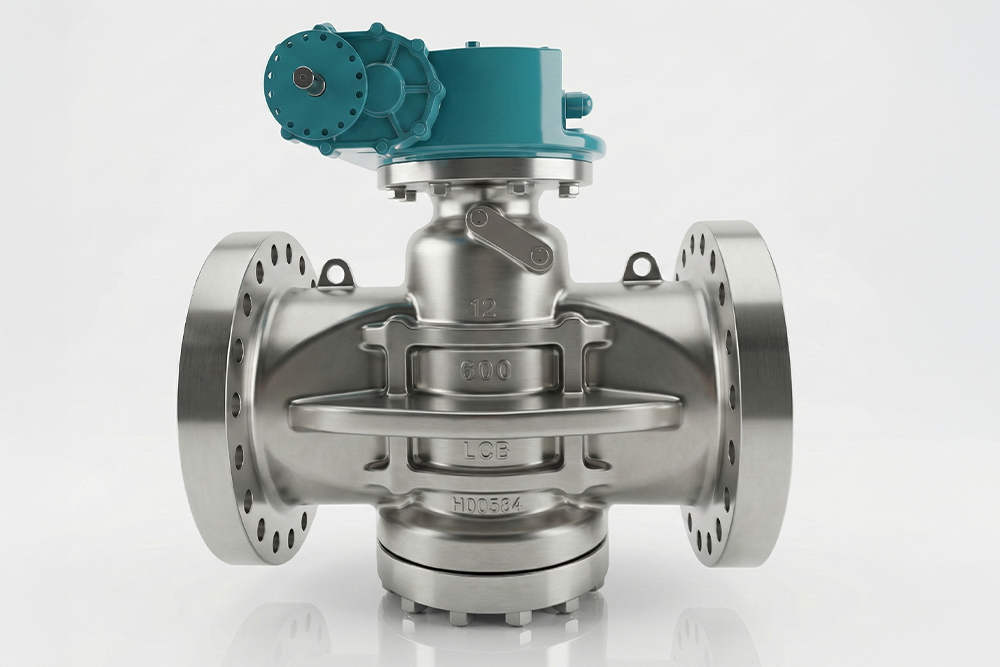
The Inverted Pressure Balance Lubricated Plug Valve is designed for reliable flow control in a wide range of industrial applications. Its lubricated plug structure ensures smooth operation with low operating torque and consistent sealing performance. The pressure-balanced design helps reduce wear and extends service life, even under demanding operating conditions. Thanks to its compact construction, the valve can be easily installed in limited spaces. The metal sealing system provides dependable shut-off and protects sealing surfaces from contaminants. This valve is suitable for on-off service where durability, safety, and operational stability are required.
Features
Pressure-balanced inverted conical plug valves are ideal for any operating condition, including most severe operating conditions. Can be used for fast action, trouble-free and efficient sealing requirements, the design is very compact, the required installation space is small, can be installed in any location. Basic operation of the valve is quite simple, When the plug rotates 90°, the valve changes from fully open to fully closed position, or vice versa.
- The valve body: Adopt plug-type structure, integral casting, high strength, good rigidity, uniform force, valve center of gravity and pipeline center basically coincide, good operation stability. The valve body seal cone is processed by high-speed fine grinding, and the surface roughness precision after grinding is higher than Ra 0.8.
- Plug: Using inversion plug, the overall forging, precision machining and grinding surface roughness can reach Ra 0.4. After the surface of the plug, plating nickel phosphorus alloy infiltration or spraying hard alloy surface treatment to improve the surface hardness, such as supersonic spraying hard alloy surface hardness can reach above 65 HRC, nickel-plated phosphorus after heat treatment, the surface hardness is 58 ~ 60 HRC. Under the oil film lubrication with super wear resistance. The upper part of the tap plug is provided with a check valve to compensate the oil pressure in the upper part of the valve chamber. The lower part of the tap plug balance hole, can be introduced into the media pressure at the bottom of the plug, so that the plug pressure valve body, play a sealing role.
- Sealing pair: The metal sealing structure is used for grease sealing. Due to the filling effect of the sealing grease, the solid particles in the medium will not enter the sealing surface, which has a very good protective effect on the sealing surface. Because of grease lubrication, so that the valve operating torque is small, easy to operate. Special sealing grease is injected through automatic filling of sealing grease without leakage when rotating the plug, completely ensuring long life and reliable sealing. The asymmetrical tank design results in very low grease consumption and prolongs the filling time and service life of the grease. The sealing contact area is large. Oil film lubrication, long service life.
- Stem and stem seal: Stem strength and sealing performance are one of the main factors affecting stem operation and overall valve performance. Stem force is mainly due to the friction at the packing, operating torque and medium thrust. The connecting rod valve stem and plug is slip-ring type, which can reduce the concentration stress between the contact of valve stem and the cone surface of plug, and improve the stress distribution and operational performance of valve stem. The stem features a blowout-proof design, and the packing seal is replaceable under pressure (online replacement). Stem seal with fireproof packing. O-ring seal, grease seal and packing seal. After machining, the surface roughness of the stem can reach Ra 0.4, which fully meets the sealing requirements of the stem and can work reliably for a long time without fastening and maintenance. Valve stem is forged, heat conditioned treatment, high strength and good toughness. The surface of valve stem is nitrided or nickel-phosphor plated with high surface hardness and friction resistance.
- Bonnet and bottom construction: The bottom bonnet is the bearing part at the bottom of the valve, as well as the fixed and installed support for the bottom sealing gasket and bottom regulating rod, ensuring high stiffness and strength. The bottom cover is sealed with a fully isolated integral gasket to ensure absolutely reliable seal when the cover bolt is tightened. The regulating rod is installed at the bottom of the bonnet is of boltless construction, and the gland is screwed with zero leakage after adjustment. The bottom adjusting rod supports the plug and leads to the static electricity generated by the plug for venting reasons.
Specifications
THE TECHNICAL SPECIFICATION
| ITEM | SPECIFICATION |
| Structure form | BC |
| Drive mode | Manual, Electric, Pneumatic |
| Design criteria | API6D / API599 / BS5353 / GB / T122130 |
| Structural length standard | API6D / ASME B16.10 / EN558 |
| Flange connection standard | ASME B16.5 / EN1092 / HG / T20592 |
| Welding connection standard | ASME B16.25 / BS6.10 |
| NPT connection standard | ASME B1.20.1 |
| Pressure temperature rating | ASME B16.34 |
| Inspection standard | API6D / API598 |
| Fire protection standard | API607 |
PRODUCT PERFORMANCE SPECIFICATION
| NOMINAL PRESSURE (LB) | SHELL TEST PRESSURE (MPA) | SEAL TEST PRESSURE (MPA) | SUITABLE TEMPERATURE (°C) | APPLICABLE MEDIUM |
| 150 | 3.0 | 2.2 | < 180°C | Water, Steam, Oil |
| 300 | 7.5 | 5.5 | ||
| 600 | 15.0 | 11.0 | ||
| 900 | 22.5 | 16.5 |